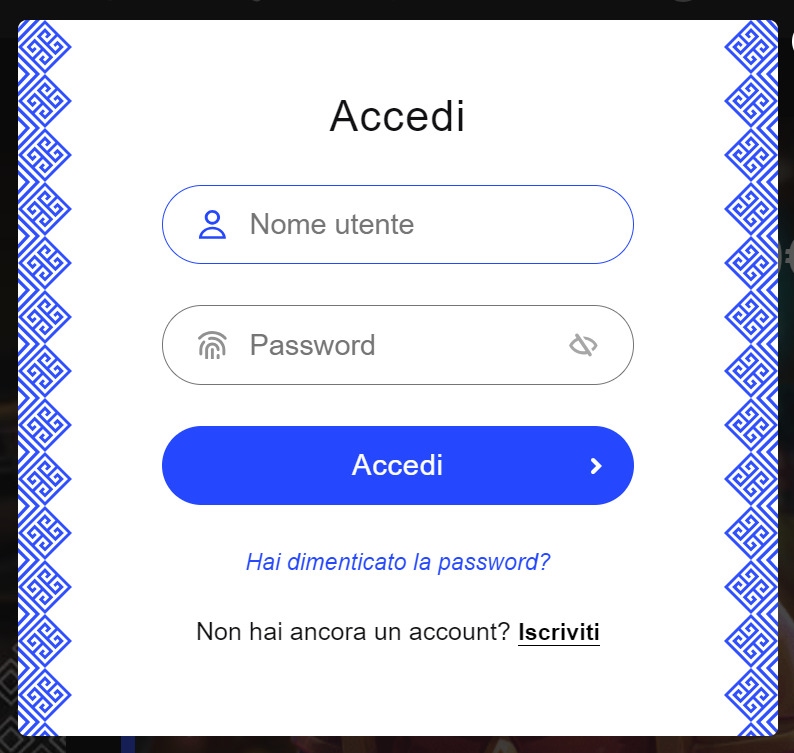
I treat my librabetcasino sign in page account like a personal safe. It contains my balance, my playing history, and sensitive identity documents. A strong password alone will not keep that safe locked. Two-factor authentication adds a second barrier that prevents intruders should they guess my login details. I’ll explain the 2FA options Librabet provides, how to set them up, and the practical steps that keep your account secure without making everyday access a chore.
How Two-Factor Authentication Matters for Your Librabet Account
Online casino accounts are attractive targets. Someone who acquires my password could drain funds, abuse bonuses, or lock me out entirely. Two-factor authentication requires a second proof of identity during login, typically a one-time code from a device I physically possess. Even a stolen password becomes worthless without that code.
I’ve observed players misjudge how easily passwords are compromised. Reusing credentials across sites, falling for a phishing email, or using a weak password can expose an account in minutes. With 2FA turned on, the damage halts at the first step. Librabet’s login page blocks login without the second factor, and I get an alert if someone seeks to breach my account.
Beyond theft, 2FA secures my personal data. The verification documents I upload during KYC include proof of identity and address. If a bad actor gains access, they could collect those files. Activating 2FA directly protects that sensitive paperwork. For me, it’s the most useful setting I’ve discovered that I can change in under five minutes.
Knowing the Types of 2FA Provided at Librabet Casino
Librabet provides several way to send that additional factor. I usually check the security part of my account to see which ways are now offered. The most common method is an authenticator app. Programs like Google Authenticator or Authy produce a new six-digit code each thirty seconds. The code operates offline and never travels through a mobile network.
Another approach is SMS-based authentication. After typing my password, Librabet transmits a text message with a numeric code to my associated phone number. It’s handy because I don’t need to install an additional app, but it depends on mobile signal and is vulnerable to SIM-swap fraud. Some players also find email codes as a backup, though email-based 2FA is no stronger as my email account’s personal security.
I suggest checking the specific list inside my Librabet profile, because the available options can change as the platform enhances its security toolkit. Irrespective of the method I pick, the core idea is the same: a piece of knowledge (my password) plus a physical item (a code generator or phone). That mix makes unauthorised access significantly tougher.
Backup Codes and Restoration: Keeping Access If Devices Are Lost
The moment I activate 2FA, Librabet creates a collection of unique backup codes. I treat these codes as a spare key. Every code can bypass the second factor exactly once, so I keep them in a location I can get to even when my phone is damaged, taken, or erased.
I print out the codes and hold the paper in a safe drawer. I also save a copy in a reliable password manager that encrypts the data at rest. I never store backup codes in an unsecured note on my phone or in my email inbox, because that negates the purpose of 2FA. If someone gains entry to my email, they might locate the codes and my account.
If I ever require a backup code, I tap “Try another way” or “Use backup code” on the Librabet login screen after typing my password. I input one code and get access. I then immediately navigate to the security settings, deactivate the old 2FA method, and configure a fresh one on my new device. Once I exhaust all backup codes, I must contact support and verify my identity to recover entry.
Setting Up 2FA Post Registration: An Easy Guide
If I bypassed the initial prompt or made my account before 2FA was available, I can enable it in under two minutes. I authenticate with my email and password, then head to “My Account” or the profile icon. I find a tab named “Security” or “Login Settings”. Inside, I spot the two-factor authentication section and click “Enable”.
The exact sequence I apply depends on the method I pick. For an authenticator app, the steps are:
- Download a supported app like Google Authenticator or Authy on my smartphone.
- Click “Set up authenticator” on the Librabet security page. A special QR code shows up.
- Open the authenticator app, tap “Add account” or the plus symbol, and scan the QR code with my phone camera.
- The app displays a six-digit code that changes every thirty seconds. I type that code into the verification field on the Librabet page.
- Librabet confirms the pairing and displays a set of one-time backup codes. I store these instantly.
If I choose SMS codes instead, I provide my mobile number and look for a text message. I enter the received code into the verification box. Once verified, Librabet delivers an SMS every time I sign in from an unknown device. I verify the number and ensure I can accept texts while travelling.
Steps to Enable Two-Factor Authentication In Sign-Up

As I join Librabet, the registration form requires my email, a password, selected currency, and personal details like my name and date of birth. Some casinos present a 2FA setup step right inside the sign-up flow; others direct me to the account area afterwards. I always have my mobile phone nearby so I can scan a QR code without delay.
If the registration page presents a “Secure your account now” prompt with a QR code, I open my authenticator app, tap the plus icon, and scan the code. The app immediately begins generating codes linked to my Librabet account. I then type the current code into the field on screen to confirm the pairing. This connects my device before I even place a first deposit.
Even if the sign-up form does not mention 2FA, I am not concerned. I complete the registration, verify my email address by clicking the link Librabet sends, and then go straight to the security settings. Enabling 2FA early, before I deposit into the account, means my balance is protected right from the start. I regard it as a non-negotiable part of creating my account.
Employing an 2FA App vs. SMS Codes: Which I Recommend
nationalpost.com I always select an authenticator app for my Librabet account. The codes are generated on my device and never go across a phone network. This eradicates the risk of SIM-swapping, where a fraudster persuades my mobile carrier to transfer my number to their SIM card and captures SMS messages.
Authenticator apps also operate when I have no mobile signal or I am abroad. I am not forced to cover roaming charges or hold out for a delayed text. The only downside is that if I misplace my phone without backup codes, recovery requires longer. That’s why I pair the app with a solid backup plan.
Here is a quick comparison that guides my decision:
- Authenticator app: Functions offline, immune to SIM-swap, free, demands a smartphone. Codes refresh every 30 seconds.
- SMS codes: No extra app needed, functions on any mobile phone, but relies on network coverage and is vulnerable to interception.
- Email codes: Only as secure as my email account. I shun this as a primary 2FA method unless no other option exists.
I use an authenticator app with cloud backup, like Authy, so I can restore my tokens on a new phone without starting from scratch. This balance of security and recoverability maintains my Librabet login smooth and safe.
Common 2FA Login Problems and Ways to Resolve Them
Even a properly set up 2FA setup can hit a snag. The most typical issue I come across is an “invalid code” error with an authenticator app. This almost always means the time on my phone is out of sync. I open the app’s settings, select “Time correction for codes” or “Sync now”, and the problem vanishes instantly.
If I lose my phone or it gets taken, I use one of my backup codes. I log in, deactivate 2FA temporarily, and then turn back on it on my new device. I always remember generating a updated set of backup codes subsequently. For SMS users, a missing code often means poor signal or a mistake in the phone number. I hold a minute, review the number in my profile, and ask for a new code.
Here are the resolutions I have saved http://news.bbc.co.uk/2/hi/uk_news/scotland/2689693.stm for fast troubleshooting:
- Code rejected multiple times: Synchronize the time in the authenticator app. If that doesn’t work, delete the account from the app and re-scan the QR code from Librabet’s security settings.
- New phone, unable to log in: Enter a backup code, then promptly set up 2FA on the substitute device.
- SMS never arrives: Confirm the phone number in my account, look for network issues, and click the “Resend code” button. If the problem continues, switch to an authenticator app.
- Locked out entirely: Reach out to Librabet support through live chat or email. I must provide identity documents to prove ownership before they remove 2FA.
Bolstering Your Account Security Past 2FA
Two-factor authentication is a robust layer, but I keep going there. I use a distinct password for Librabet that I have not used anywhere else. A password manager creates and holds a long, random string so I never have to memorise it. This prevents credential-stuffing attacks where hackers attempt leaked username and password pairs across multiple sites.
I also maintain the email account tied to my Librabet profile locked down with its own 2FA. If a criminal alters my casino password via email, a secure inbox prevents the final step. I refrain from logging in on public Wi-Fi without a VPN, because open networks can reveal session tokens. Whenever I complete playing, I manually log out, especially on shared or borrowed devices.
Finally, I finish the Know Your Customer (KYC) verification early. Uploading a clear photo of my passport or driving licence and a recent utility bill or bank statement establishes my identity. This allows withdrawals and helps Librabet’s security team verify that any recovery request actually arrives from me, not an impostor. Layering these habits transforms my account into a fortress that 2FA grounds.
Časté otázky
What is two-factor authentication?
Two-factor authentication, aka 2FA, is a security process that demands two distinct proofs of identity before granting access. The initial factor is something I have knowledge of, such as my password. The other is an item I possess, like a one-time code produced by an app or sent via SMS. This indicates a stolen password on its own cannot access my Librabet account.
How do I activate 2FA on my Librabet account?
I log in, access the account menu, and proceed to the security or login settings. I pick the two-factor authentication option and select either an authenticator app or SMS. For an app, I scan a QR code and type the code displayed. For SMS, I validate my phone number. Backup codes are supplied instantly after setup.
Can I use SMS instead of an authenticator app?
Yes, Librabet generally provides SMS as a 2FA method if I would rather not to install an app. I enter my mobile number and validate it with a code delivered via text. SMS is convenient, but it is less secure than an authenticator app because texts can be captured through SIM-swap attacks or network vulnerabilities. I evaluate that risk before choosing.
What do I do if I lose my phone with the authenticator app?
I employ one of the backup codes I kept when I first set up 2FA. On the login screen, after typing my password, I select the option for backup codes and input a valid code. Once logged in, I immediately turn off the old 2FA method and set it up again on my new device, creating a fresh set of backup codes.
How do I disable two-factor authentication if I no longer want it?
I sign in, go to the same security settings where I activated 2FA, and choose “Disable” or “Remove”. I might have to input a current 2FA code or a backup code to validate the change. If I cannot log in at all, I contact Librabet support, who ask for identity documents to verify I am the account owner before disabling 2FA.
Is two-factor authentication compulsory at Librabet Casino?
At the time of writing, Librabet strongly encourages 2FA but does not require it on every account. I verify the latest requirements in the security section or the terms and conditions, as policies can change. Even when not mandatory, I activate it voluntarily because it adds a vital layer of protection for my funds and personal data.